Ngôn ngữ :
|
True




Triaxial 3D 12k 150gsm spread tow carbon fiber fabric
Traditional triaxial fabrics are made by interweaving two sets of mutually perpendicular yarns on the same side. Triaxial fabric is a fabric made up of three yarns interwoven at a 60 degree angle in the same plane. Due to the special structure of three-axis fabric interwoven with three system yarns, it has good fabric structural stability and the same mechanical characteristics of all directional forces, which disperses the forces acting on the fabric on the three axes and greatly improves the load-bearing volume of the fabric. The performance indicators such as fracture strength, tear strength, and fracture strength of fabrics are higher than those of biaxial fabrics. Strength advantage, strong anti diagonal pulling ability, high flexibility, and good fatigue resistance.
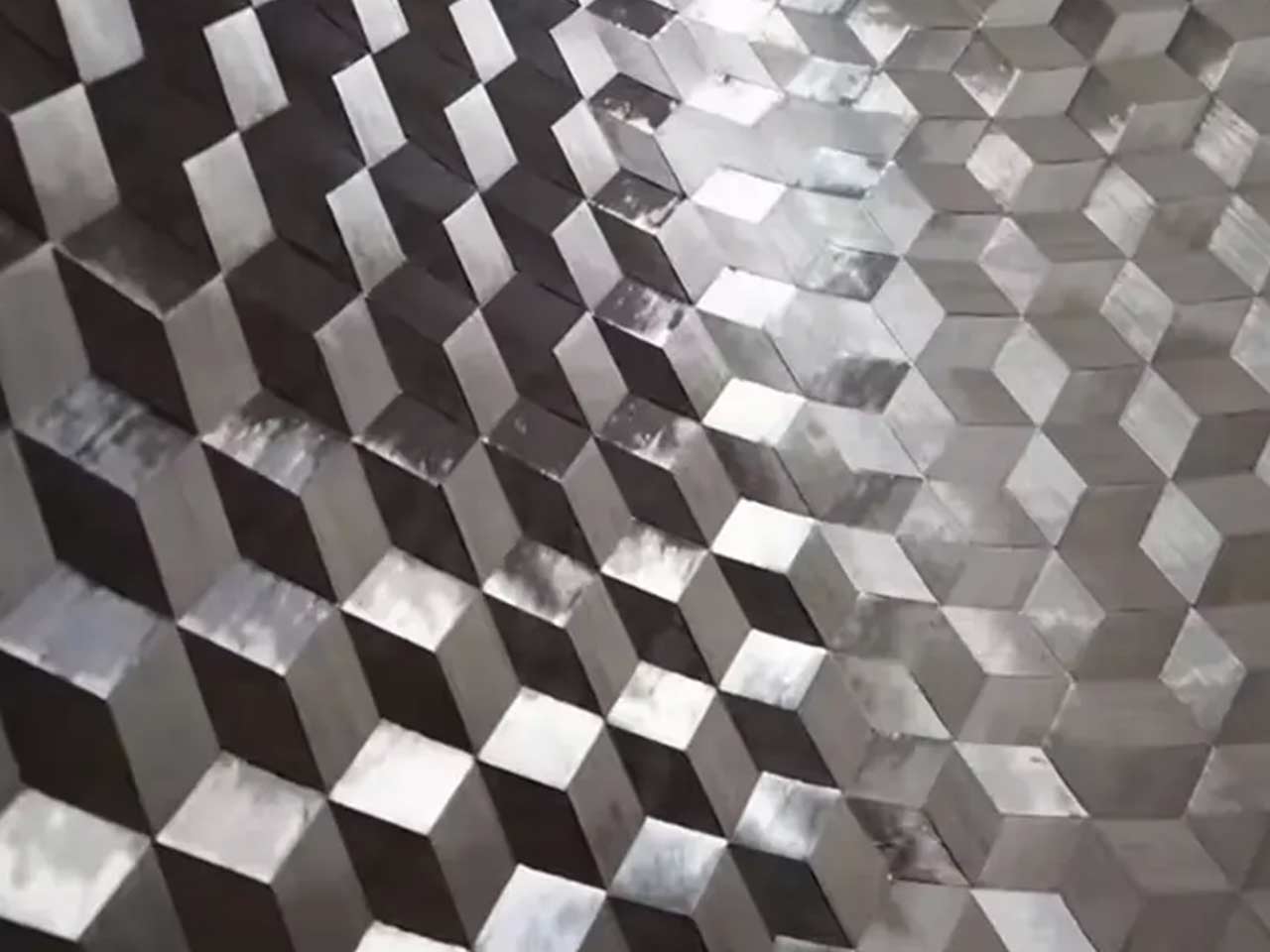
- High specific strength/stiffness: the inherent characteristics of carbon fiber enable it to have extremely high load-bearing ability while being lightweight.
- Impact resistance and fatigue performance: the three-dimensional interwoven structure effectively disperses stress, reduces crack propagation, and extends service life.
- High temperature and corrosion resistance: suitable for extreme environments such as aerospace and chemical equipment.
- Molding adaptability: the widened design combined with resin infiltration process (such as prepreg) can efficiently fit the mold and reduce manufacturing complexity.
- Compared to traditional 2D laminated materials: the 3D structure eliminates interlayer weaknesses and improves delamination resistance by over 50%.
- Compared to unidirectional/biaxial carbon fiber cloth: triaxial weaving provides multi-directional balanced strength and reduces the complexity of layer design.
- Compared to metal materials: it reduces weight by 30% -70% and has significantly better corrosion resistance than aluminum alloy/steel.
Application Field
1. Aerospace: fuselage skin, wing structural components, weight reduction and improved fuel efficiency.2. Automotive industry: racing chassis, new energy vehicle battery box, balancing lightweight and collision safety.
3. Wind power/ships: large blades and hull reinforcement to resist wind and wave alternating loads.
4. Sports equipment: high-end bicycle racks, rowing boats, optimized strength and dynamic response.
5. Industrial equipment: robotic arms, robot structural components to improve stiffness and motion accuracy.

Aerospace

Biopharma

Building

Electronics

Food

Glass

Mechanical

Medical

Mobility

Oil & Gas

Renewable Energy

Semiconductor & Electronics Manufacturing


To install this Web App in your iPhone/iPad press  and then Add to Home Screen.